 Beautiful, Secure, Privacy-Respecting Laptops & Phones Beautiful, Secure, Privacy-Respecting Laptops & Phones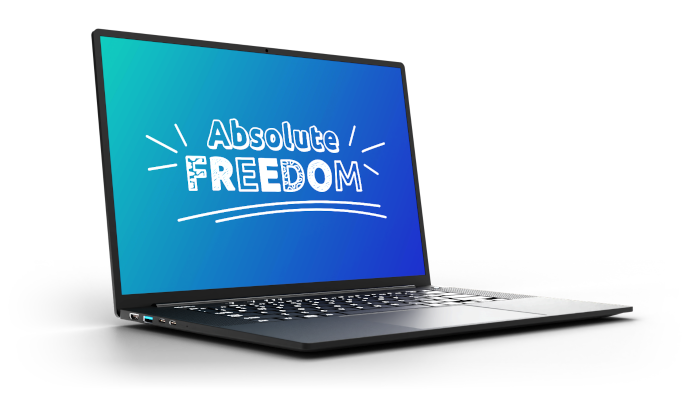
The first 16” laptop designed to protect your digital life
Ultra-portable workstation laptop that was designed chip-by-chip, line-by-line, to respect your rights to privacy, security, and freedom.
Starting at $2,899
A Security & Privacy Focused Phone with a Secure Supply Chain
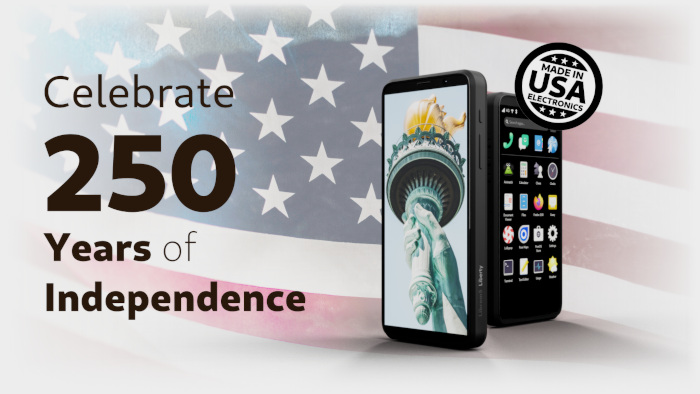
The Liberty Phone retains the software security and privacy features of the Librem 5 while adding a transparent, secure supply chain with manufacturing in the USA.
Starting at $1,999 $1749
A Security & Privacy Focused Phone
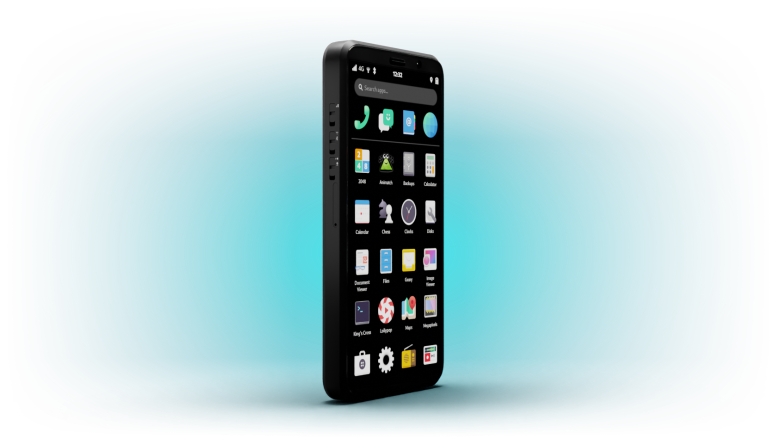
The Librem 5 is the original Linux kernel based phone produced by Purism with 3GB of memory and 32GB of storage.
Starting at $799.
Privacy-focused cellular plan for the Librem 5 and other unlocked phones.
Starting at $39/month
Welcome back! In our June update, we discussed PureOS's downstream relationship with Debian. Just as PureOS Crimson is based on Debian Bookworm, PureOS Dawn is based on Debian Trixie. We modify many Debian packages for PureOS to provide the best experience on all Librem devices. Often, when we reach a new Debian release, there will be packages with changes on both sides, creating a conflict.
We have some refurbished Librem 16 that sell at a discounted price. You can order them directly from the shop.
As with every video that we make at Purism, we have made the Librem 16 launch video in house with Librem hardware running PureOS, and using free software only. This blog post will give a quick overview of the steps that we went through for making this video. It will also show how to run a video project with total freedom, away from proprietary constraints. Finally, it underlines how amazing the Librem laptops are when used in a professional creative environment.