
Purism Differentiator Series, Part 16: Decentralization

Todd Weaver
PGP Fingerprint: B8CA ACEA D949 30F1 23C4 642C 23CF 2E3D 2545 14F7
Latest posts by Todd Weaver (see all)
- Purism Differentiator Series, Part 20: Releasing Source Code to the Public - November 20, 2026
- Purism Differentiator Series, Part 19: PureOS Store - November 19, 2026
- Purism Differentiator Series, Part 18: Funding the App Gap - November 18, 2026
Welcome to Purism, a different type of technology company.
We believe you should have technology that does not spy on you.
We believe you should have complete control over your digital life.
We advocate for personal privacy, cyber security, and individual freedoms.
We sell hardware, develop software, and provide services according to these beliefs.
To do all that, we think differently across all areas of business and technology.
Purism Differentiator Series, Part 16: Decentralization
The internet was built to connect people across networks. But much of our digital life now runs through a small number of companies. They host our conversations, store our files, and control the platforms we use to reach one another.
That setup can feel convenient. Yet when one provider controls the service, it can also control access, rules, and the data held within it. At Purism, we believe people should have other choices. Decentralization helps keep control from gathering in one place.
What decentralization means
A decentralized service is not tied to one company or one server. It can connect people and groups across different providers, using shared protocols. Some people can use a hosted service, while others can run their own server. They can still communicate across those systems.
Email is a familiar example. People with different email providers can send messages to each other. They do not all need an account with the same company. Decentralized communication can work in a similar way: different communities can use different servers and still connect.
This gives people more options. A provider is less likely to become the only way to reach a community when people can move between services or choose a different server.
Keep more choices in your hands
Centralized services can make it easy to start. However, if one provider controls an account or platform, that provider sets the terms for access. People can find it hard to leave if their contacts, messages, and daily habits are tied to that one service.
Decentralized systems offer another path. When services use open standards, people can choose compatible software and providers. Groups with the skills and resources can host some services themselves. That reduces dependence on a single company.
For businesses and organizations, we often describe this idea simply: keep it in your domain. Using services under your own domain can give you more say over where communications and other assets are hosted. It can also help you avoid putting every part of your work in one outside provider’s hands.
Open software supports open networks
Decentralization works best when people can use software they are free to inspect, share, and adapt. Open code and open protocols make it easier for independent developers and communities to build compatible tools. They also make it possible for people to check how their software works, instead of relying only on a provider’s claims.
PureOS is built as a freedom-respecting operating system. Its source code is available for people to study and adapt. It is also designed to run across computers and mobile devices, giving people a consistent system rather than tying them to one device category.
For us, open software and decentralization are closely linked. A network may have many servers, but if everyone must use one company’s closed app, control can still collect in one place. People need both the freedom to choose a service and the tools to use it.
Services that can connect across providers
Our work with decentralized services includes support for open protocols such as Matrix for chat and ActivityPub for social networking. These systems are designed to let people on different servers communicate. In Librem One, we combined those kinds of services under one brand, so people could get a straightforward starting point without being limited to one provider.
That distinction matters. A familiar service can make it easier to get started, while an open protocol can give people room to connect beyond that service. Users should not have to understand every technical detail before they can chat or share updates. At the same time, they should not be locked into a single company’s network.
We also use self-hosted services within Purism for parts of our own operations. Hosting services ourselves gives us more direct control over how they are run. It is one practical example of the broader idea: where possible, keep important systems under your own control instead of handing everything to an outside platform.
A phone should not lock you into one ecosystem
Phones are now the main way many people connect to the internet. Yet the dominant mobile platforms can make it difficult to choose your software, services, and app sources. A different phone should offer a different path—not just a different look.
The Librem 5 v2 campaign reflects our effort to build that alternative. The phone runs PureOS, uses free software, and operate without requiring an account from a major technology company for its core functions. Its RISC-V processor is part of our longer-term work toward a more open mobile platform.
Decentralization is not a single product feature. It is a way to make room for more providers, more communities, and more user choice. The Librem 5 v2 is one part of that effort, alongside free software and services built around open protocols.
More than one way to connect
Decentralization does not mean that everyone must run a server or manage every technical detail. It means people should have choices: a convenient hosted service, a provider they trust, or the option to host a service themselves. Different people and groups can choose what works for them.
We believe the internet is stronger when no single company controls the doors. Open standards let services connect. Free software lets people inspect and change their tools. And decentralized networks give individuals and communities more ways to take part.
Our goal at Purism is to help make those choices practical. Technology should connect people without forcing them all into one company’s system. A more decentralized internet gives us more room to choose how we communicate, where our services live, and who controls the tools we depend on.
Purism Products and Availability Chart
| Model | Status | Lead Time | ||
|---|---|---|---|---|
 | Librem Key (Made in USA) | Backorder ($59+) | Coming Soon | |
 | Liberty Phone (Made in USA Electronics) | Backorder ($1,999+) 4GB/128GB | Coming Soon | |
 | Librem 5 | Backorder ($799+) 3GB/32GB | Coming Soon | |
 | Librem 5 v2 | ($1599+) or ($129+$99/mo) 8GB/128GB | Crowdfunding | |
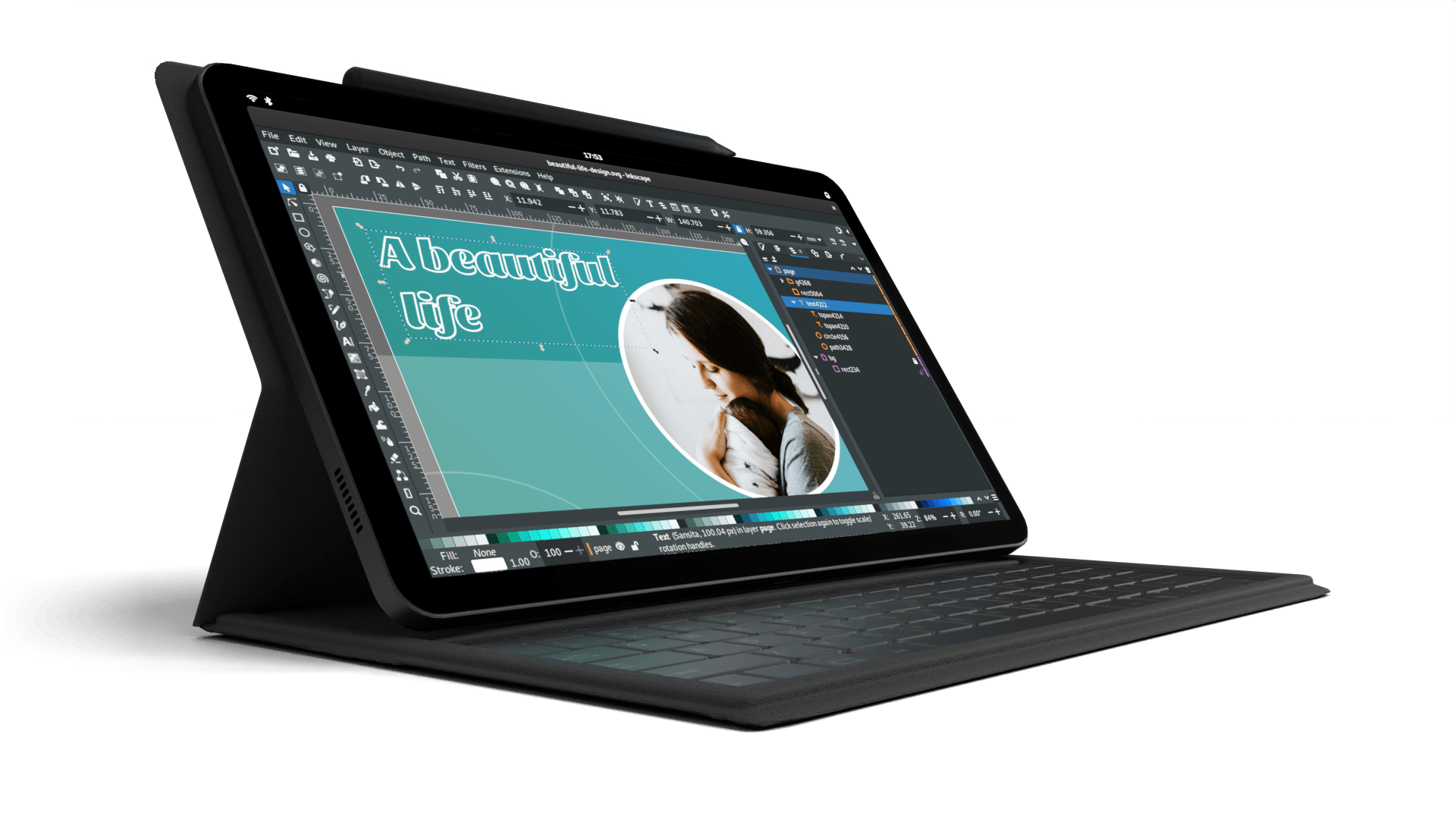 | Librem 11 | Out of stock | New Version in Development | |
 | Librem 14 | Out of stock | New Version in Development | |
 | Librem 16 | backorder ($2,899+) (up to 64GB/16TB) | Coming Soon | |
 | Librem Mini | Out of stock | New Version in Development | |
 | Librem Server | In Stock ($2,999+) | 45 business days | |
 | Librem PQC Encryptor | Available Now, contact sales@puri.sm | 90 business days | |
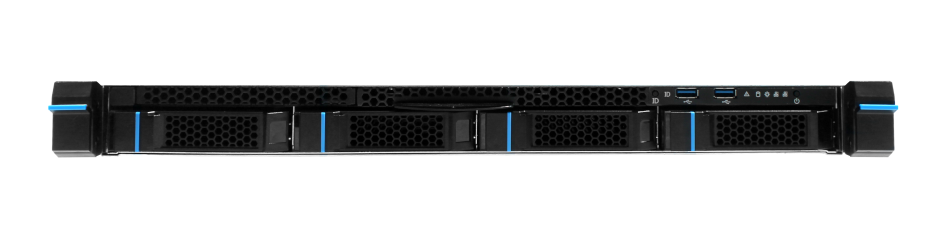 | Librem PQC Comms Server | Available Now, contact sales@puri.sm | 90 business days |
Recent Posts
- Purism Differentiator Series, Part 20: Releasing Source Code to the Public
- Librem 5 v2 Campaign Builds Early Momentum at 100 Orders
- Purism Differentiator Series, Part 19: PureOS Store
- Price Is Not the Entire Point: How Purism is Building a Different Digital Future
- Purism Differentiator Series, Part 18: Funding the App Gap
Related Content
- Purism Differentiator Series, Part 20: Releasing Source Code to the Public
- Purism Differentiator Series, Part 19: PureOS Store
- Purism Differentiator Series, Part 18: Funding the App Gap
- Purism Differentiator Series, Part 17: Ecosystem
- Purism Differentiator Series, Part 16: Decentralization

