
Why We Need a Revolutionary Phone Now: The Librem 5 v2

Purism
Latest posts by Purism (see all)
- Why We Need a Revolutionary Phone Now: The Librem 5 v2 - November 23, 2026
- Librem 5 v2 Campaign Builds Early Momentum at 100 Orders - November 20, 2026
- Price Is Not the Entire Point:How Purism is Building a Different Digital Future - November 19, 2026
Our phones hold our messages, photos, work files, and access to our accounts. Yet many people have little say over how their phones work, how long they get security updates, or which software they can install.
Recent events make those limits harder to ignore. In 2026, researchers reported the iPhone exploit chain known as DarkSword. Google warned that more than one billion Android phones no longer received full system security updates. Google also issued a large Android security bulletin that included an actively exploited flaw. At the same time, Android’s new developer-verification policy raised concerns about who gets to decide which apps can run.
These events show why new security built phones, open software, and user choice matter.
Purism’s Librem 5 v2 aims to offer another path: a RISC-V phone running PureOS, with hardware kill switches and a design built around user control.
Mobile security is more than a brand name
A phone’s security depends on many parts working together. The operating system needs fixes. The device maker needs to deliver them. Apps need to limit access to sensitive data. And users need a way to keep supported software up to date.
Recent reports show what can happen when any part of that chain falls short.
In March 2026, researchers reported DarkSword, an iPhone exploit chain seen in attacks across several countries, including Ukraine. It could target unpatched devices through compromised websites. Reports estimated that 221 million to 270 million iPhones could be vulnerable because they were running older software. Apple released fixes, including updates for some users who had not moved to its newest system version. The lesson is not that iPhones are uniquely unsafe. It is that even a platform known for close control can face serious flaws, and users need timely security fixes.
Android faces a different challenge: many models, makers, and update schedules. A TechRepublic report in February 2026 said more than 40% of Android devices—over one billion phones—were no longer receiving critical system-level security updates. Google said older devices still received some protection through Play Protect, but that is not the same as full operating-system security fixes.
Then, in March, Google’s Android security update addressed 129 vulnerabilities, the largest monthly total since April 2018, according to TechRepublic. One flaw, CVE-2026-21385, was reported as under limited, targeted exploitation. The bulletin shows an important point: finding and fixing flaws is part of security. So is getting those fixes onto each user’s device.
The official April 2026 Android security bulletin listed multiple security issues and set out two patch levels: 2026-04-01 and 2026-04-05. It said devices with the 2026-04-05 patch or later address all issues in that bulletin. Google advises users to update where possible, while device makers and partners handle delivery to their hardware.
Breaches show why data collection matters
Security flaws are only one risk. Data can also be exposed when a company or one of its vendors suffers a breach.
Recently, Uber disclosed that attackers used compromised service-provider credentials to access personal information. Reporting linked the exposed information to driver’s licence details. The incident affected more than 1800 Rhode Island residents.
PKWARE’s April 2026 breach roundup described incidents involving a shared third-party vendor, a French government identity agency, a medical-device company, a contractor connected to Adobe, and an AI productivity tool tied to a cloud platform. The report’s broad lesson was that attackers often enter through trusted partners, not only through a company’s own systems.
A phone cannot prevent a breach at every company you use. But the apps, services, and accounts on a phone can shape how much information gets collected and where it goes. A system that supports open software and tighter app permissions can give users more ways to make informed choices.
That is one reason the Librem 5 v2’s planned use of secure app sandboxes matters. A sandbox can limit what an app can access. It can help separate one app’s needs from the rest of your data.
Android is soon locking you out
The Keep Android Open campaign highlights Google’s developer-verification policy. Google says verification aims to improve safety and deter bad actors, these claims are dubious. The policy requires developers to register with Google to distribute apps on certified Android devices, including through channels outside Google Play.
The rollout is no longer only a future possibility. Google’s developer page says protections began on September 30, 2026, for users installing apps from participating stores in Brazil, Indonesia, Singapore, and Thailand on certified devices. Google says it plans to expand the protections globally in 2027. They are coming for your device.
This overall requires developers to register with Google and would limit independent app distribution. Its open letter highlights the new barriers for small developers, volunteers, nonprofits, and privacy-focused app projects. It calls on Google to withdraw the requirement and work with the wider community on security measures that preserve user choice.
There are two issues to hold in mind at once. App safety matters. So does the ability to install software from sources a user trusts. A security measure can help protect people, but a policy that concentrates control over app distribution also affect competition and independence.
What the Librem 5 v2 aims to offer
The Librem 5 v2 takes a different route. It runs PureOS, a GNU/Linux-based system that is not Android and does not include Google Android code. It gives people more control over their software environment.
Purism’s Librem 5 v2 campaign ask for your support to build a phone focusing on open software and user control. Specifications include an eight-core RISC-V SpacemiT K1 processor, 8 GB of memory, 128 GB of storage, a 5.7-inch screen, dual SIM, and a removable 4500 mAh battery.
The phone also has three groups of physical hardware kill switches:
- Cellular
- Wi-Fi and Bluetooth
- Microphone and cameras
These switches let the user disconnect listed hardware directly. That is a different kind of control from an app setting. A software setting may manage whether an app can use a component. A hardware switch is designed to cut off the component itself.
It also has modular hardware, a removable battery, and a headphone jack. These choices support repair and user control. A replaceable battery, for example, may help keep a phone in use when its battery wears down.
PureOS provides another major difference. It is based on GNU/Linux rather than Android or iOS. The phone has no Google Android code. Its open-source foundation allows people to study and improve the software under its licenses. It does offer a level of visibility that closed software cannot provide in the same way.
A different idea of phone ownership
The Librem 5 v2 matters because it asks a different question from “Which phone has the most apps?” It asks: what control should a person have over a device they own?
Purism’s answer is clear: an operating system outside Android and iOS, physical switches for key hardware, and a RISC-V processor based on an open standard. The company creates devices that users can inspect, control, and improve with the wider free software community.
The recent security stories make that goal relevant. DarkSword shows that a major platform can face serious exploits. Android’s update figures show that a fix is less useful if a phone no longer receives it. The March patch shows how many flaws can surface in one update cycle. April’s breach reports show how data held by vendors and partners can become part of an attack. And Android’s developer-verification rollout raises a separate question: who should control the software users can install?
The Librem 5 v2 offers a different foundation and puts controls in the user’s hands.
Why a revolutionary phone is needed now
A phone is one of the most personal computers people own. It should not require blind trust in a company or force users to accept a single model of software control.
The Librem 5 v2 proposes an alternative: PureOS instead of Android, a RISC-V processor, physical kill switches, and hardware designed with modularity in mind. The need for alternatives is clear.
The best security depends on free software, sound design, and careful use. Digital freedom depends on choice, transparency, and the ability to control the devices we own. A revolutionary phone should support both. The Librem 5 v2 is an invitation to imagine a mobile future with more user control and less dependence on closed platforms.
Purism Products and Availability Chart
| Model | Status | Lead Time | ||
|---|---|---|---|---|
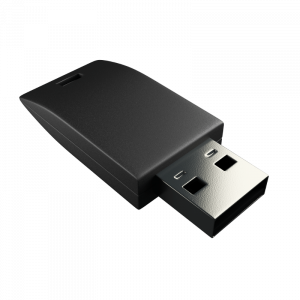 | Librem Key (Made in USA) | Backorder ($59+) | Coming Soon | |
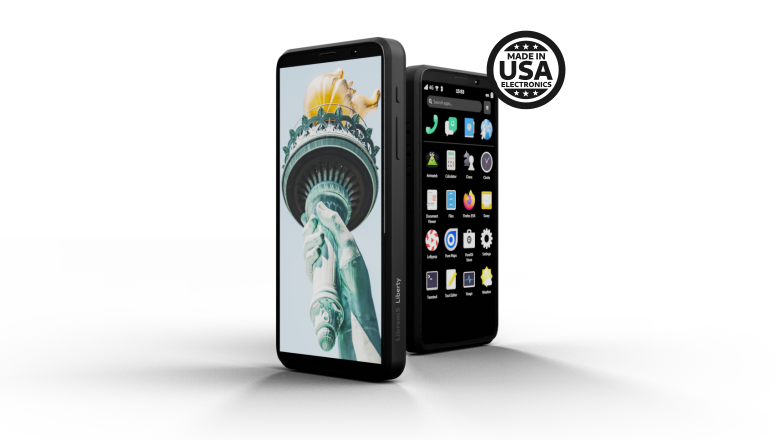 | Liberty Phone (Made in USA Electronics) | Backorder ($1,999+) 4GB/128GB | Coming Soon | |
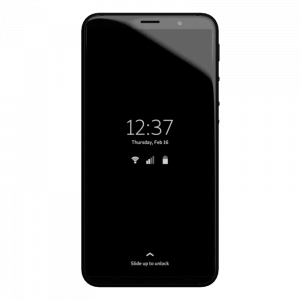 | Librem 5 | Backorder ($799+) 3GB/32GB | Coming Soon | |
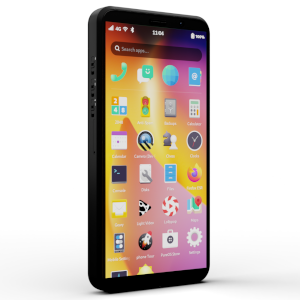 | Librem 5 v2 | ($1599+) or ($129+$99/mo) 8GB/128GB | Crowdfunding | |
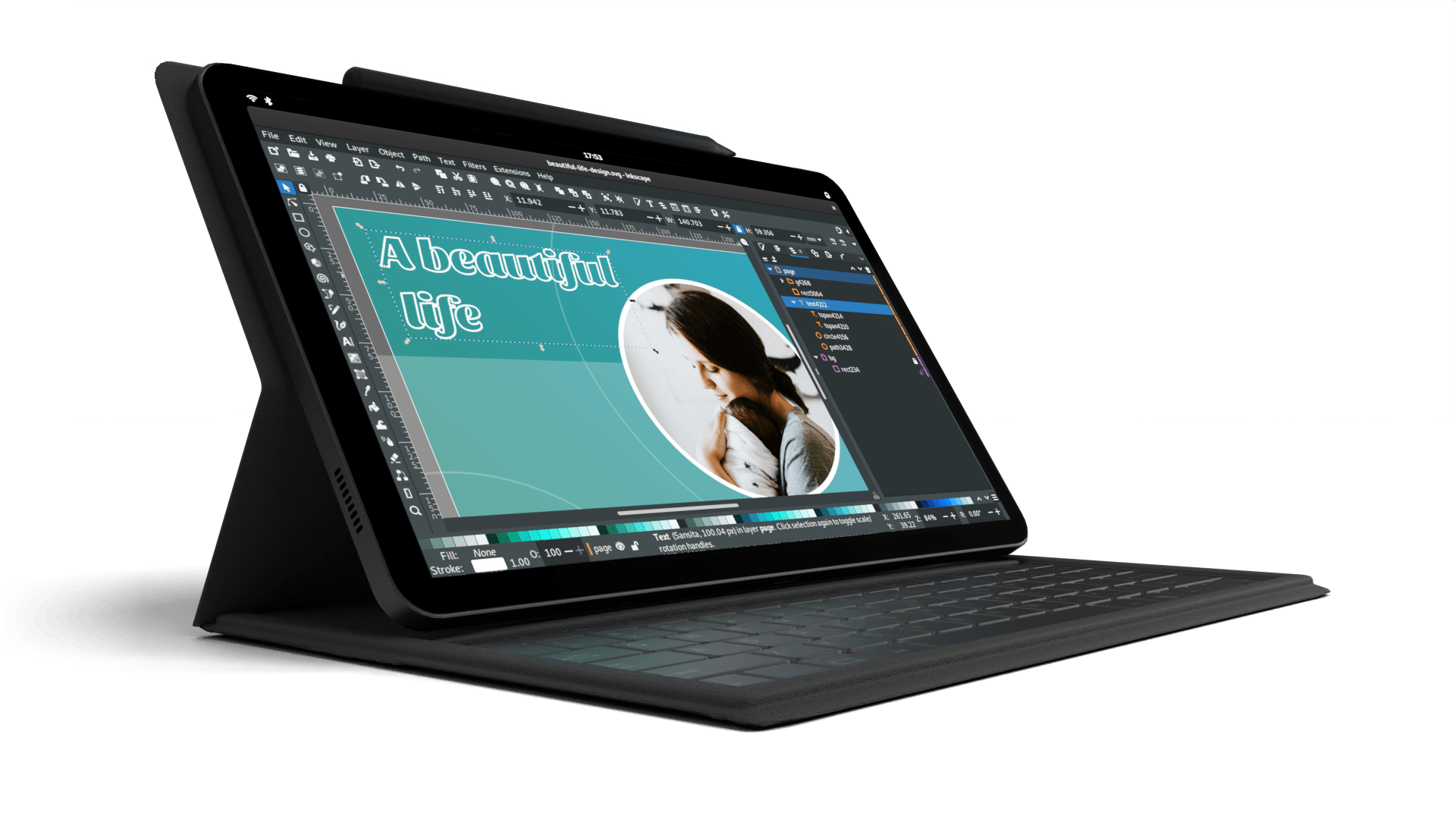 | Librem 11 | Out of stock | New Version in Development | |
 | Librem 14 | Out of stock | New Version in Development | |
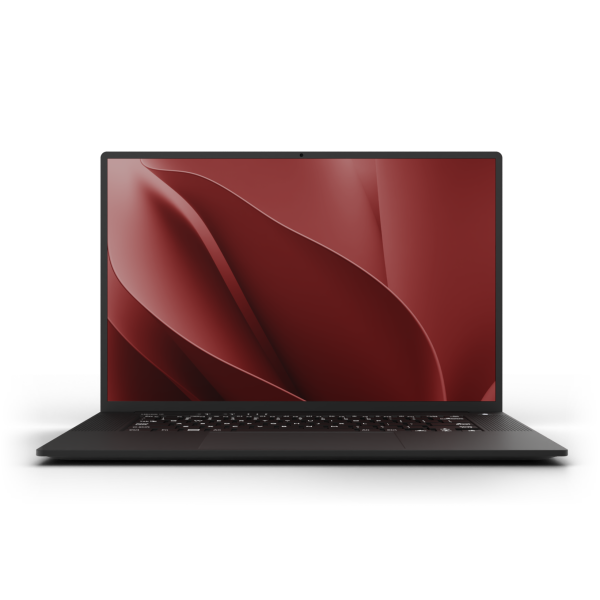 | Librem 16 | backorder ($2,899+) (up to 64GB/16TB) | Coming Soon | |
 | Librem Mini | Out of stock | New Version in Development | |
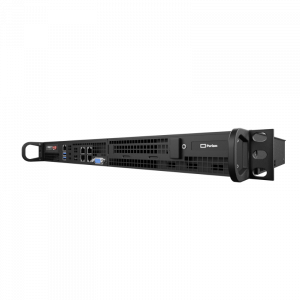 | Librem Server | In Stock ($2,999+) | 45 business days | |
 | Librem PQC Encryptor | Available Now, contact sales@puri.sm | 90 business days | |
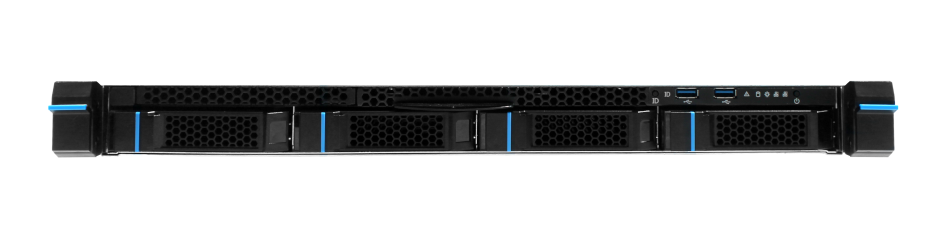 | Librem PQC Comms Server | Available Now, contact sales@puri.sm | 90 business days |
Recent Posts
- Why We Need a Revolutionary Phone Now: The Librem 5 v2
- Purism Differentiator Series, Part 20: Releasing Source Code to the Public
- Librem 5 v2 Campaign Builds Early Momentum at 100 Orders
- Purism Differentiator Series, Part 19: PureOS Store
- Price Is Not the Entire Point: How Purism is Building a Different Digital Future
Related Content
- Why We Need a Revolutionary Phone Now: The Librem 5 v2
- Librem 5 v2 Campaign Builds Early Momentum at 100 Orders
- Price Is Not the Entire Point: How Purism is Building a Different Digital Future
- A RISC-V Phone: The Librem 5 v2 For the Win
- Purism Launches Librem 5 v2 , A RISC-V Phone to Empower People

