DHS Inspector General Study

Purism
Latest posts by Purism (see all)
- Purism Announces Launch of Its Librem 16 Laptop, the World’s Most Private and Secure Workstation - June 23, 2026
- Google’s Lock Down Policy - May 21, 2026
- Smartphone Study - May 21, 2026
What the DHS IG Actually Found
The Inspector General’s audits uncovered a systemic collapse in mobile‑device security across DHS’s Intelligence & Analysis (I&A) office and CIO organization.
1. Banned and High‑Risk Apps Everywhere
Roughly one‑third of DHS intelligence phones had apps that were prohibited or posed security risks — representing 76% of all installed apps. These included social networking, private messaging, video streaming, gaming, ridesharing, and apps from companies banned from U.S. systems.
2. DHS‑Developed Apps Had Known Vulnerabilities
Two I&A‑built apps used to share intelligence with first responders had three unpatched vulnerabilities, despite DHS knowing about them.
Another DHS app ecosystem — downloaded 375,000 times by first responders — also contained vulnerabilities that could allow malicious code execution.
3. Security Settings Were Not Applied
- 27% of mobile device settings
- 44% of MDM system settings
Failed to meet DHS’s own security requirements.
4. Devices Used Abroad Without Authorization
DHS staff used smartphones internationally without proper authorization or protections, increasing exposure to foreign adversaries.
5. DHS Couldn’t Track Its Own Phones
The IG found that the I&A office’s device inventory matched only 11% of the CIO’s records.
6. Compromised Phones Could Enable Full‑Spectrum Surveillance
The IG explicitly warned that a compromised DHS smartphone could allow attackers to activate the camera, microphone, GPS, sensors, steal data, or pivot into DHS systems.
Why This Matters Beyond DHS
The DHS report is not about one agency’s sloppy mobile hygiene. It’s a mirror held up to the entire smartphone ecosystem.
The failures DHS experienced are the same structural failures consumers face:
- Closed platforms where users cannot verify what runs on their devices
- Opaque app‑store ecosystems where banned or risky apps slip through
- MDM systems that create single points of failure
- Monoculture OS environments that amplify the blast radius of vulnerabilities
- Lack of user control over firmware, baseband, and permissions
If DHS can’t secure its phones with full‑time staff, what hope does a parent, a journalist, a traveler, or a small business owner have?
The Purism Angle: Why This Wouldn’t Happen on a Librem Device
Purism’s Librem 5 mobile phone is built on the assumption that every layer of the mobile stack must be verifiable, user‑controlled, and open to inspection.
1. Hardware Kill Switches
Camera, microphone, Wi‑Fi, and baseband can be physically disabled. A compromised app cannot turn on sensors because the hardware is literally off.
2. Baseband Isolation
Unlike mainstream smartphones, Purism devices isolate the cellular modem from the main CPU. This prevents the “full‑spectrum surveillance” scenario DHS warned about.
3. Open‑Source Firmware and OS
No opaque binaries. No hidden permissions. No silent background processes. Every component can be audited — by Purism, by researchers, or by the user.
4. No Forced App Store Monoculture
Users choose their repos. There is no centralized app store pushing risky or banned apps onto devices.
5. User‑Controlled Security Policies
Security settings cannot be silently overridden by a vendor or MDM misconfiguration — the exact failure DHS experienced with its 27%/44% noncompliance rates.
6. Transparent, Verifiable Updates
Purism’s update model avoids the “known vulnerabilities left unpatched” problem that plagued DHS’s internal apps.
Why Baseband Isolation Matters
Every modern smartphone has a cellular baseband — a tiny, proprietary computer running its own closed firmware, connected directly to the antennas, and historically treated as “outside” the main security boundary. That assumption is outdated and dangerous.
The DHS IG report makes this painfully clear: a compromised phone can have its camera, microphone, GPS, and sensors activated remotely, and attackers can pivot deeper into agency systems. What most people don’t realize is that the baseband is often the first place attackers go.
Here’s why:
- The baseband processes untrusted radio signals from towers — including malicious ones.
- Its firmware is closed, unauditable, and often years behind modern security practices.
- It has privileged access to memory, sensors, and the OS.
- Exploits can be delivered silently, without user interaction.
Purism’s approach is fundamentally different.
Purism physically isolates the baseband from the main CPU. It cannot directly access system memory. It cannot silently activate sensors. It cannot bypass OS‑level protections. And if you flip the hardware kill switch, the baseband is electrically dead.
In a world where DHS can’t even track its own phones, baseband isolation is not a feature — it’s a requirement.
How Open Firmware Changes the Threat Model
Closed firmware is the smartphone industry’s original sin. It forces users — and even federal agencies — to trust code they cannot inspect, cannot verify, and cannot control.
The DHS report shows what happens when that trust is misplaced:
- Vulnerabilities in DHS‑developed apps went unpatched.
- MDM settings silently failed.
- Devices ran software that DHS could not fully audit.
- Attackers could potentially activate sensors or exfiltrate data without detection.
Open firmware flips the threat model:
- Transparency replaces blind trust. Anyone — Purism, researchers, or federal auditors — can inspect the code.
- Silent backdoors become impossible to hide. Closed firmware can contain undocumented capabilities. Open firmware cannot.
- Security becomes verifiable, not assumed. Agencies can confirm exactly what runs on their devices.
- Updates become trustworthy. No opaque vendor pipeline. No mystery patches. No hidden changes.
Purism’s approach is not just “open source” as a marketing term — it’s a structural redesign of the entire security model.
Open firmware turns the smartphone from a black box into a transparent, auditable, sovereign computing platform.
The Bigger Truth: Security Requires User Sovereignty
The DHS report proves a point Purism has made for years:
You cannot secure what you cannot see, cannot verify, and do not control.
DHS’s failures weren’t caused by bad people or lazy employees. They were caused by structural flaws in the modern smartphone ecosystem:
- Centralized control
- Closed firmware
- Vendor‑locked app stores
- MDM systems that create brittle, over‑centralized trust models
- Devices designed for convenience, not sovereignty
Purism’s approach flips that model:
- User as root of trust
- Open code
- Hardware isolation
- Physical kill switches
- No silent data flows
- No uninspectable binaries
This is not ideology. It’s engineering.
The Bottom Line
The 2026 DHS mobile‑security report is a wake‑up call.
If the federal government — with all its resources — cannot secure its smartphones, then the consumer market is even more exposed than we admit.
Purism’s model isn’t a luxury. It’s the blueprint for the next era of mobile security: transparent, verifiable, user‑controlled, and adversary‑resilient by design.
If DHS had been using Purism‑class devices, the IG report would have been a footnote — not a crisis.
Purism Products and Availability Chart
| Model | Status | Lead Time | ||
|---|---|---|---|---|
 | Librem Key (Made in USA) | In Stock ($59+) | 10 business days | |
 | Liberty Phone (Made in USA Electronics) | Available on backorder ($1,999+) 4GB/128GB | n/a | |
| Librem 5 | In Stock ($799+) 3GB/32GB | 10 business days | |
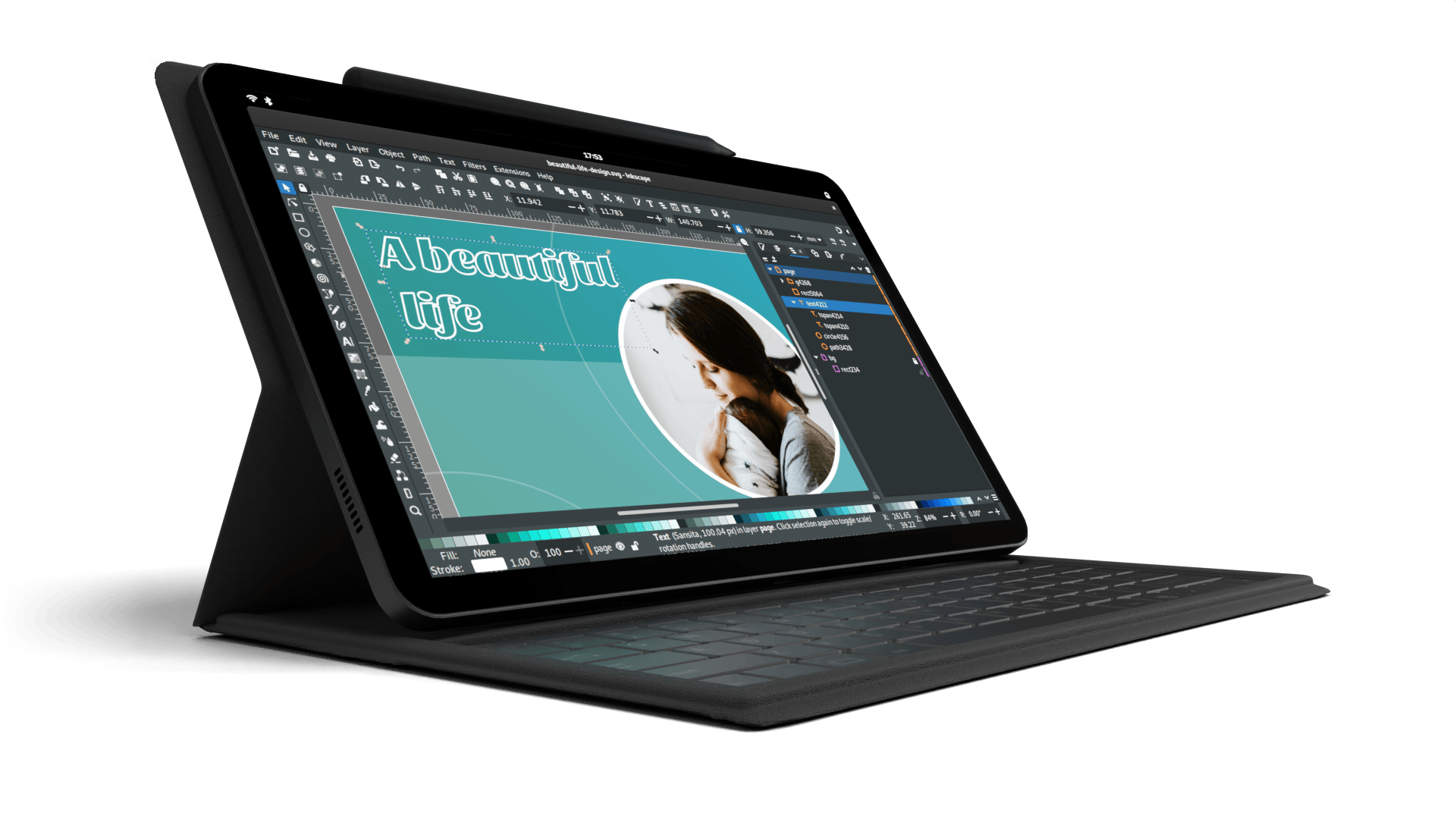 | Librem 11 | Out of stock | New Version in Development | |
 | Librem 14 | Out of stock | New Version in Development | |
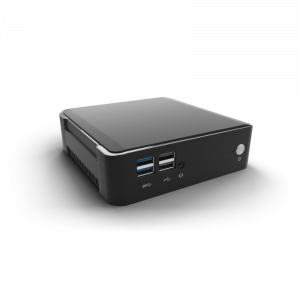 | Librem Mini | Out of stock | New Version in Development | |
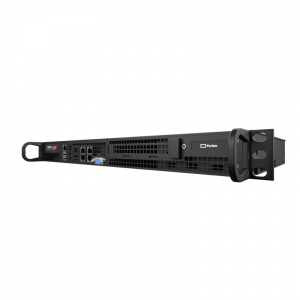 | Librem Server | In Stock ($2,999+) | 45 business days | |
 | Librem PQC Encryptor | Available Now, contact sales@puri.sm | 90 business days | |
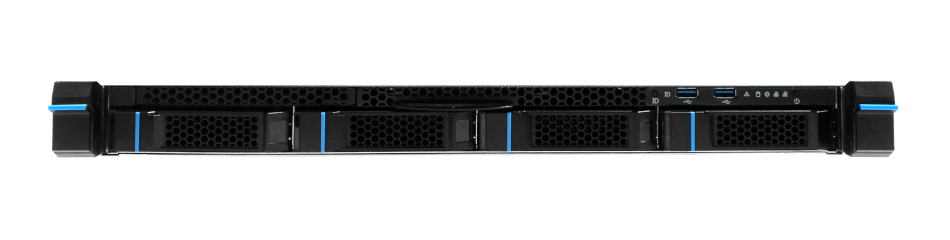 | Librem PQC Comms Server | Available Now, contact sales@puri.sm | 90 business days |
Recent Posts
Related Content
- Purism Announces Launch of Its Librem 16 Laptop, the World’s Most Private and Secure Workstation
- Google’s Lock Down Policy
- Smartphone Study
- DHS Inspector General Study
- Privacy Under Siege: Why Purism’s User Sovereignty Model is the Way Forward