Google’s Lock Down Policy
Purism
Latest posts by Purism (see all)
- Purism Announces Launch of Its Librem 16 Laptop, the World’s Most Private and Secure Workstation - June 23, 2026
- Google’s Lock Down Policy - May 21, 2026
- Smartphone Study - May 21, 2026
When “Open” Becomes Conditional: Why Android Is Starting to Look Like iOS
For years, Android marketed itself as the antidote to Apple’s walled garden. “Open, Flexible, and developer friendly.”
That marketing was never accurate and even the veneer of it is eroding—fast.
Google’s latest moves to require centralized developer registration and identity verification for all apps, even those distributed outside the Play Store, mark a fundamental shift in who controls Android. This isn’t about one new security feature. It’s about power—who holds it, who grants permission, and who ultimately decides what software you’re allowed to run on a device you supposedly own.
At Purism, we’ve seen this movie before. Apple perfected it. Now Google is following the same script.
Centralized Control Masquerading as “Security”
Google argues that forcing developers to register, identify themselves, and receive approval before users can install their software is about protecting users from malware. Security matters—but centralized gatekeeping is not the same thing as security.
When a single corporation can decide which developers are “verified,” revoke installation rights platform-wide, and block apps regardless of how users obtained them, that corporation has become a gatekeeper, not a steward.
Android Is Becoming iOS—Just Louder About It
Apple’s user control has been consistent: “You don’t own the platform. We do.” Android used to claim the opposite. But today, sideloading exists mostly on paper, developers must register with Google even if they avoid Google Play, and unverified apps are blocked on Google-certified devices.
That’s not openness. That’s conditional freedom, granted at Google’s discretion. The Dictator says you have freedom.
At Purism, We Take a Different Path
Purism was founded on a simple belief: You own the hardware, you control the software.
On PureOS and Librem devices, developers are not required to prove their identity. No government ID is demanded. No centralized developer registry decides who is allowed to publish. Instead, inclusion is based on technical and ethical criteria: free/libre software, public source code, and respect for user privacy and freedom.
Trust Is Built Through Transparency, Not Databases
Purism doesn’t ask developers to identify themselves—we ask them to show their work. Security comes from auditable source code, open development processes, and user control, not from centralized identity systems.
Freedom Should Not Require Permission
The most dangerous idea in modern computing is that freedom must be earned. At Purism, we believe the opposite: freedom is the default. Control must be justified.
Google is moving Android toward a future where freedom is conditional and revocable. Apple has lived there for years. We’re building something different.
The choice isn’t between Android and iOS anymore. The real choice is between permission-based computing and ownership.
We choose ownership—every time.
Purism Products and Availability Chart
| Model | Status | Lead Time | ||
|---|---|---|---|---|
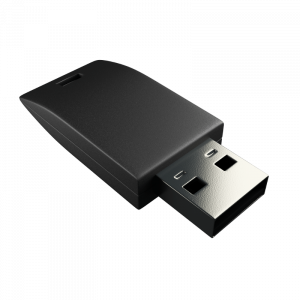 | Librem Key (Made in USA) | In Stock ($59+) | 10 business days | |
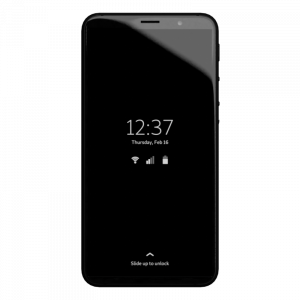 | Liberty Phone (Made in USA Electronics) | Available on backorder ($1,999+) 4GB/128GB | n/a | |
| Librem 5 | In Stock ($799+) 3GB/32GB | 10 business days | |
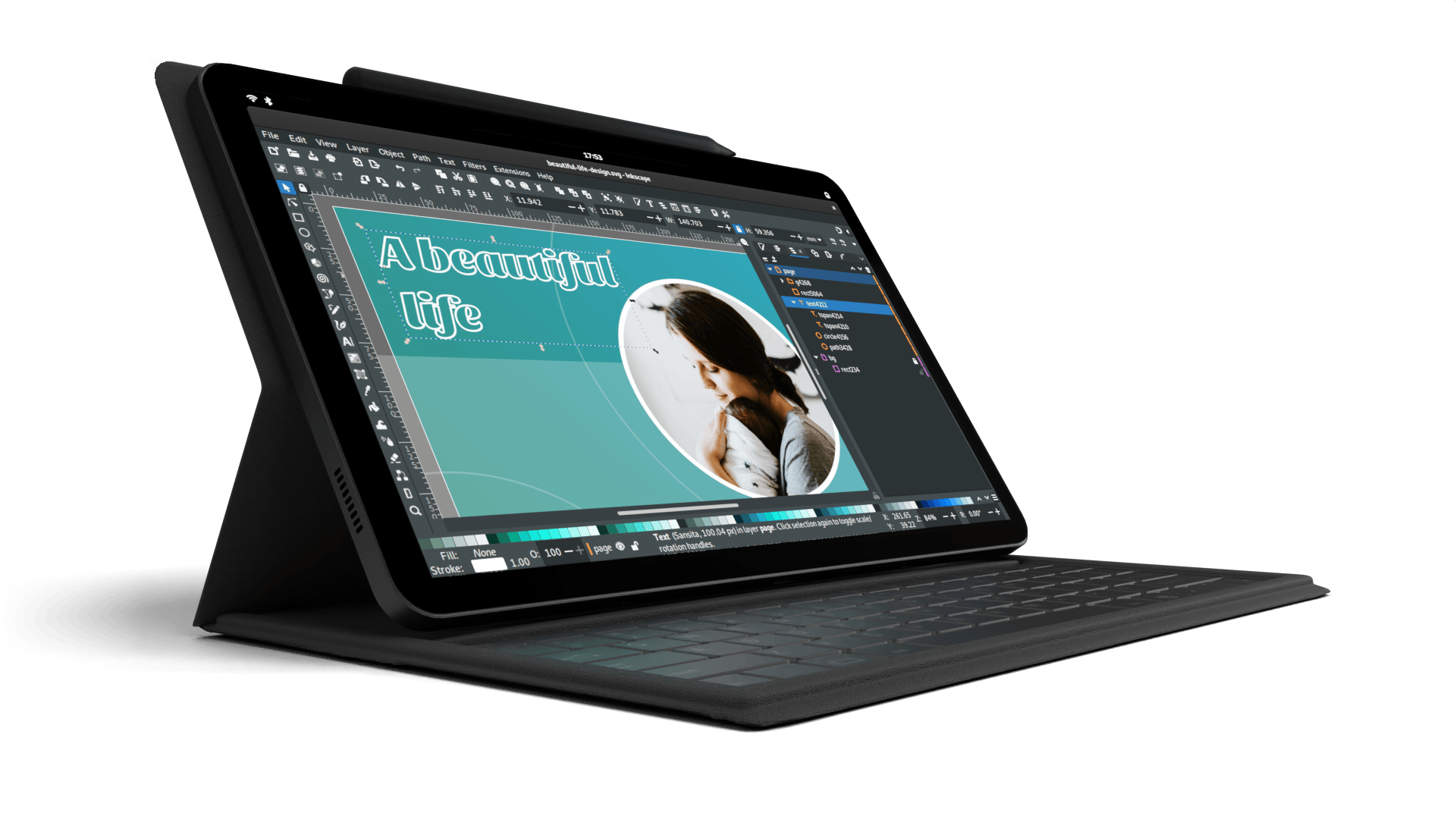 | Librem 11 | Out of stock | New Version in Development | |
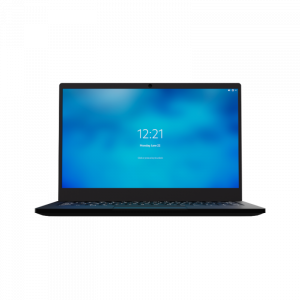 | Librem 14 | Out of stock | New Version in Development | |
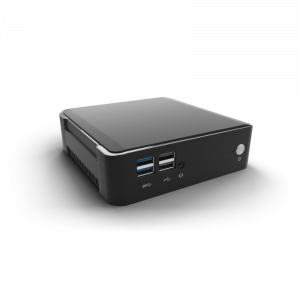 | Librem Mini | Out of stock | New Version in Development | |
 | Librem Server | In Stock ($2,999+) | 45 business days | |
 | Librem PQC Encryptor | Available Now, contact sales@puri.sm | 90 business days | |
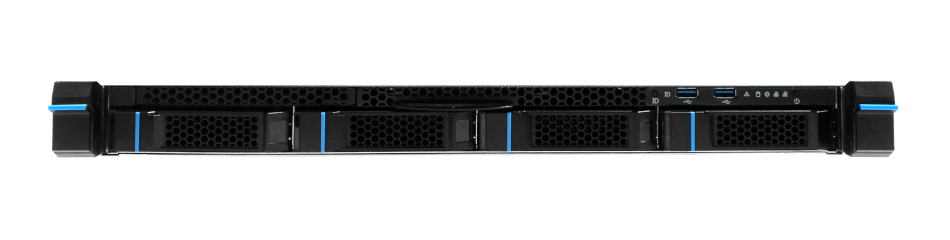 | Librem PQC Comms Server | Available Now, contact sales@puri.sm | 90 business days |
Recent Posts
Related Content
- Purism Announces Launch of Its Librem 16 Laptop, the World’s Most Private and Secure Workstation
- Google’s Lock Down Policy
- Smartphone Study
- DHS Inspector General Study
- Privacy Under Siege: Why Purism’s User Sovereignty Model is the Way Forward